

Before my first pregnancy, I was a perfectionist. A recovering one, at least. I bought every supplement recommended on Instagram: CoQ10, inositol, vitamin D, omega-3s, methylfolate, a "fertility blend" that cost $80 a bottle. I tracked every nutrient in Cronometer. I eliminated "toxins" from my home — plastic containers, non-stick pans, scented candles. I stopped drinking coffee (that one hurt). I stopped eating tuna (goodbye, sushi nights).
I was miserable. I was also not pregnant for seven months.
Before my second pregnancy, I did the opposite. I relaxed. I took my folate (400 mcg, generic, from the drugstore). I ate reasonably well — vegetables, protein, carbs — but didn't track anything. I kept drinking coffee (under 200mg). I ate sushi from reputable places. I stopped following fertility influencers. I conceived within three months. I felt better the entire time.
Here's what I learned: preparation matters, but obsession doesn't. Your body is not a machine that needs every variable optimized. It's a living system that responds to stress — and chronic stress is bad for fertility. The stress of trying to be perfect may be worse than the occasional imperfect choice.
So what actually matters? Let me break it down.
Do this:
- Start folic acid (400-800 mcg) at least 3 months before trying. This is the single most evidence-backed intervention. It prevents neural tube defects, and the neural tube closes before you know you're pregnant. Generic is fine. Don't spend $50 on "methylfolate" unless you have a confirmed MTHFR mutation (most people don't).
- Get your vaccines up to date. MMR, varicella, flu, COVID, Tdap. Some require waiting a month after vaccination to conceive. Plan ahead.
- See your dentist. Gum disease is linked to preterm birth. A cleaning is cheap insurance.
- If you smoke, stop. If you drink heavily, cut back. Moderate alcohol? The evidence is mixed. I skipped it during the two-week wait, but didn't stress about a glass of wine at a wedding.
- If you take medication, ask your provider if it's pregnancy-safe. Some medications (ACE inhibitors, certain acne meds) need to be changed before conception. Don't stop without talking to your doctor.
Consider this:
- Get your iron and vitamin D levels checked. Deficiency is common and easy to fix. A simple blood test can tell you.
- Ask about genetic carrier screening if you have family history of certain conditions (Tay-Sachs, cystic fibrosis, sickle cell). Your insurance may cover it.
- If you're over 35, talk to your provider about earlier testing and referral to a specialist if you've been trying for 6 months without success.
Skip this:
- Expensive "fertility detox" kits. Your liver does detox. Save your money.
- Eliminating entire food groups without reason. Unless you have a diagnosed allergy, gluten and dairy are fine.
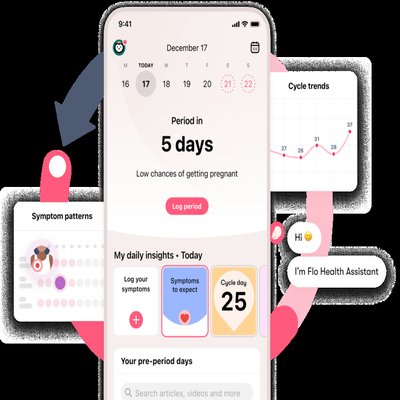
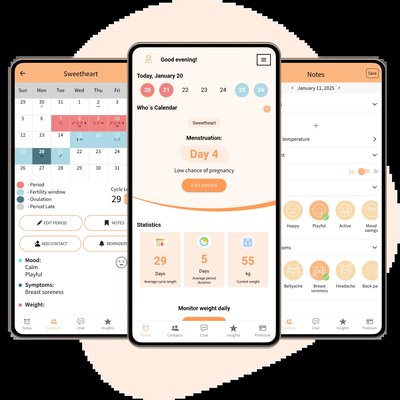
- Obsessive tracking. BBT, OPKs, cervical mucus — these have their place, but they can also cause anxiety. If you're under 35 and have been trying for less than 6 months, try having sex every 2-3 days without tracking. It's free and less stressful.
- Comparing yourself to influencers. Their "fertility journey" is curated for engagement. Your journey is real. Don't let their highlight reel make you feel inadequate.
- Panicking about every coffee, every glass of wine, every piece of deli meat before you're even pregnant. Moderation is fine. Perfection is impossible.
One of my patients, "Priya," was a textbook case of over-preparation. She spent $500 on "fertility acupuncture" and $300 on "organic prenatal" before she even started trying. She was stressed about the cost, stressed about the rituals, and stressed about whether she was doing enough. She conceived on her second cycle anyway — probably despite the stress, not because of it. Afterward, she told me, "I wasted so much money and energy. I wish someone had just told me to relax."
Another patient, "Diana," had the opposite problem: she did nothing to prepare. She was still on oral contraceptives when she decided she wanted to get pregnant. She stopped the pill, started taking folate, and conceived the next month. No supplements. No diet changes. No tracking. Healthy baby. Not everyone will be that lucky, but her story is a reminder that fertility doesn't require a PhD in nutrition.
If you're preparing for pregnancy right now, take a breath. You don't have to be perfect. You just have to start. Take your folate. See your dentist. Stop smoking. Everything else is optional.
And if you've been trying for a while without success, don't blame yourself. Most infertility is not caused by missing supplements or eating the wrong foods. It's caused by biology, not behavior. See a specialist. Get tested. Don't waste years on "natural" fixes when medical help is available.
Your body is not a project to optimize. It's a body. Trust it. Support it. But don't try to control every variable. That's not preparation — that's anxiety in disguise.
This article reflects personal experience and evidence-based guidelines. Always consult your provider for personalized preconception care.
— Emily Carter, RDN