
I still remember the exact moment. December 15, I told my mom. She booked her flight. She bought non-refundable tickets.
Then the ultrasound said December 22. Then another scan said December 18. My baby came on December 20.
My mom's flight was for December 14. She missed the birth.
I was furious. Not at her. At the system that made me believe a due date was a promise.
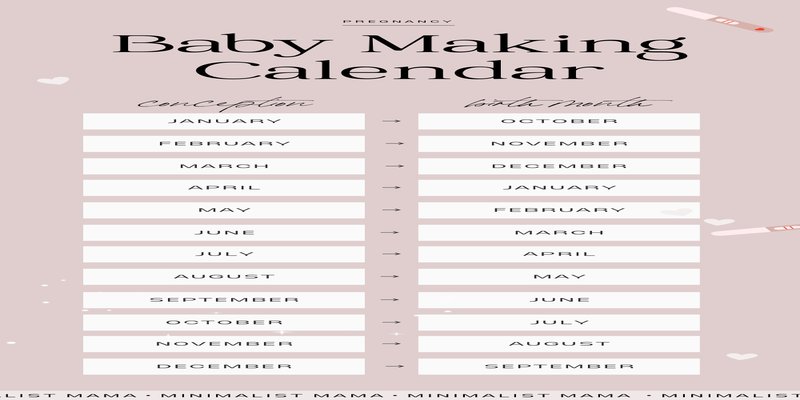
Here's what I learned the hard way: a due date is a statistical estimate, not a deadline. The normal range is 37 to 42 weeks. That's a five-week window. A five-week window! And yet we talk about due dates like they're engraved in stone.
The standard calculation — Naegele's Rule — assumes a 28-day cycle with ovulation on day 14. That's about 30% of people. For the rest of us, it's wrong from the start.
If you have longer cycles, you ovulate later. Your due date should be later. If you have shorter cycles, it should be earlier. Simple math that nobody does.
After my first pregnancy fiasco, I started asking every patient the same question: "What's your average cycle length?" Most have no idea. They've been told by apps and doctors that 28 days is normal. It's normal for some. Not for most.
Now I keep my due date to myself. When people ask, I say "mid-December" or "late summer." That's it. The specificity of a date invites pressure — from family, from coworkers, from your own anxious brain.
If your due date changes, don't panic. It doesn't mean your baby is in trouble. It means someone finally looked at your actual data instead of the average. Celebrate that.
And if your mom asks for a date, give her the one that's a week later than your real one. She'll thank you when she's actually there.
This article reflects personal experience. Always consult your provider for official due date determination.
— Emily