
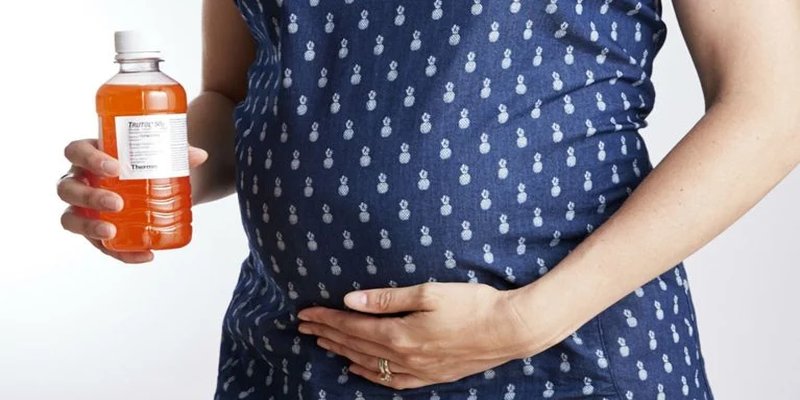
I failed the one-hour glucose test with my first pregnancy. I cried in the parking lot. Sobbing, mascara-running, ugly crying. I thought I'd caused it. I thought my diet was bad. I thought I'd already failed my baby.
My midwife called me later that day. "Emily," she said gently, "gestational diabetes isn't caused by eating too many carbs. It's caused by placental hormones blocking insulin receptors. You could have the cleanest diet on earth and still get it. This isn't your fault."
I didn't believe her at first. I spent the weekend researching — and found that she was right. Women with GD include marathon runners, vegans, nutritionists, and people with no risk factors. It's biology, not morality.
I went in for the three-hour test a few days later. Fasting draw first — my vein is small, they always struggle. Then a 100-gram glucose drink. Twice as sweet as the one-hour test. I gagged but kept it down. Then blood draws at 1, 2, and 3 hours. I sat in the waiting room for three hours, watching the clock, trying not to vomit. I passed three of four draws — which meant I did NOT have GD. The one-hour test had been a false positive. The relief was overwhelming.
But I've supported many patients who actually had GD. Let me tell you what it's really like.
If you're diagnosed, you'll check your blood sugar four times a day: fasting (first thing in the morning) and one or two hours after each meal. You'll meet with a dietitian. You'll learn to count carbohydrates — not cut them out, but spread them evenly across the day. You'll likely be told to eat three meals and two to three snacks, never going more than a few hours without eating.
Most people can manage GD with diet alone. They learn which foods spike their blood sugar (for many, it's breakfast carbs; for others, it's dinner) and adjust accordingly. Some need medication: metformin (oral) or insulin (injections). Needing medication is not failure. It means your placenta is strong — and your pancreas can't keep up. That's biology, not a character flaw.

One of my patients, "Jasmine," was devastated by her GD diagnosis. She was a health coach. She ate perfectly. She exercised daily. She felt like a hypocrite. Her fasting numbers were always high, no matter what she ate. She needed bedtime insulin. She cried at the first injection.
I told her: insulin is just a tool. Your placenta is powerful. That's not your fault. By 36 weeks, she was a pro. She knew exactly how much insulin to take. Her baby was born at 39 weeks, healthy, 7 pounds. She told me later, "The insulin was nothing. The guilt was the hardest part. I wish I'd just accepted it sooner."
GD does increase your risk of type 2 diabetes later in life. A large 2024 study in the New England Journal of Medicine followed 10,000 women with GD for 15 years. The ones who breastfed (especially for more than 6 months) had significantly lower rates of type 2 diabetes. The ones who maintained a healthy weight and exercised regularly also lowered their risk. GD is not a life sentence. It's a warning sign.
What about the baby? Most babies born to mothers with well-managed GD are perfectly healthy. Their blood sugar might be low at birth (monitored closely, usually resolves with feeding). They might be larger than average — but not always. The risks of untreated GD are real (shoulder dystocia, preterm birth, stillbirth), but treated GD has outcomes similar to non-GD pregnancies.

If you're diagnosed with GD, here's my advice: don't spiral. Join a support group (online or local). Ask for a referral to a dietitian who specializes in pregnancy (not all do). Get a glucose meter that doesn't hurt (ask your pharmacist). And be kind to yourself. You didn't cause this. You're managing it. That's enough.
My friend "Claire" had GD with both of her pregnancies. She needed insulin both times. Her babies are now 4 and 6 — healthy, smart, no issues. She still remembers the guilt, but she doesn't carry it anymore. "It was a pain," she says. "But it was temporary. And my kids are worth it."
You will eat carbs again. You will stop checking your blood sugar. The diabetes will go away after delivery (though get that postpartum test to be sure). This is temporary. You can do this.
This article reflects personal experience and clinical guidelines. Always follow your provider's treatment plan.
— Emily