

A close friend — let's call her Rachel — went through IVF last year. She'd had two failed transfers. The third one felt different. She was hopeful but terrified.
After her transfer, she did what anyone would do: she googled "due date calculator" and plugged in her last menstrual period. The calculator said March 15. Her clinic said April 2. That's an 18-day difference. She spent the next week in a state of confusion, calling her nurse, checking online forums, and second-guessing everything.
"Which one is right?" she asked me. "How can they be so far apart?"
The answer is simple, but nobody explains it. Natural conception due dates assume a 28-day cycle with ovulation on day 14. IVF bypasses all of that. Your eggs were retrieved, fertilized in a lab, and transferred on a specific day. That transfer date is the starting point.
Here's the exact math for a day 5 blastocyst transfer: add 261 days to the transfer date. Or, easier: subtract 19 days from the transfer date to get your "adjusted LMP," then calculate due date from there. For a June 1 transfer: June 1 minus 19 days = May 13. May 13 plus 280 days = February 18. That's your due date.
For a day 3 embryo transfer: add 263 days. For a day 6 transfer: add 260 days. The embryo age matters because fertilization happened before transfer. A day 5 embryo is already 5 days old — you don't start counting from transfer day, but from fertilization day.
Rachel's clinic had used the correct formula. But she didn't trust it because the free online calculator said something different. She spent her entire pregnancy apologizing to family members who'd booked flights based on the wrong date. "No, it's April, not March," she must have said fifty times.
The stakes are higher than social embarrassment. Using the wrong due date can lead to unnecessary medical interventions. If you think you're 42 weeks when you're actually 40, you might agree to an induction you don't need. If you think you're 36 weeks when you're actually 38, you might panic about preterm labor when everything is fine. I've seen patients show up to the hospital convinced they were in labor based on a miscalculated due date. The stress alone is harmful.
One of my patients, "Elena," had an IVF pregnancy after years of trying. Her clinic gave her a due date in July. An online calculator said June. She was so convinced the online date was correct that she asked her OB to induce her at 39 weeks by the June date — which would have been 41 weeks by the correct date. Thankfully, her OB caught the discrepancy. Elena told me later, "I almost caused an unnecessary induction because I trusted a website over my doctor."
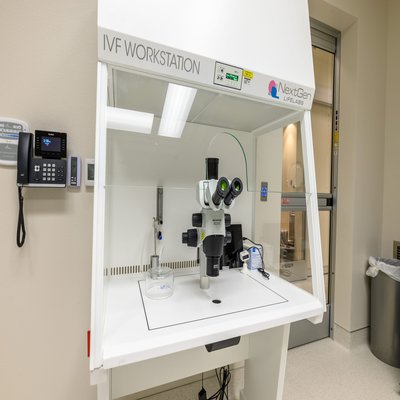
What about frozen embryo transfers (FET)? Same math. The transfer date is the starting point, regardless of how long the embryo was frozen. Some people mistakenly think freezing adds days. It doesn't. A frozen day 5 blastocyst transferred on June 1 gives the same due date as a fresh day 5 transfer on June 1.
I've also seen confusion around donor eggs or embryos. If you're carrying an embryo created from donor eggs, the due date still depends on the transfer date and embryo age. It doesn't matter whose DNA it is. The pregnancy clock starts at transfer.
Rachel's third transfer worked. Her son was born on April 5 — three days after her clinic's due date. He was perfect. She told me later, "I wasted so much energy being confused about the date. Next time, I'm just trusting my clinic and ignoring the internet."
If you conceived via IVF, here's my advice: ask your clinic to write the due date on your discharge paperwork. Put it in your phone. Tell your family. Then delete all other due date calculators from your browser. The internet doesn't know your transfer date. Your doctor does.

IVF is hard enough. Don't let a math error make it harder. Trust the science. Trust your clinic. And when in doubt, ask your REI to explain the calculation. They'll appreciate that you're paying attention.
This article reflects clinical guidelines and personal experience. Always confirm your due date with your REI or OB.
— Emily Carter