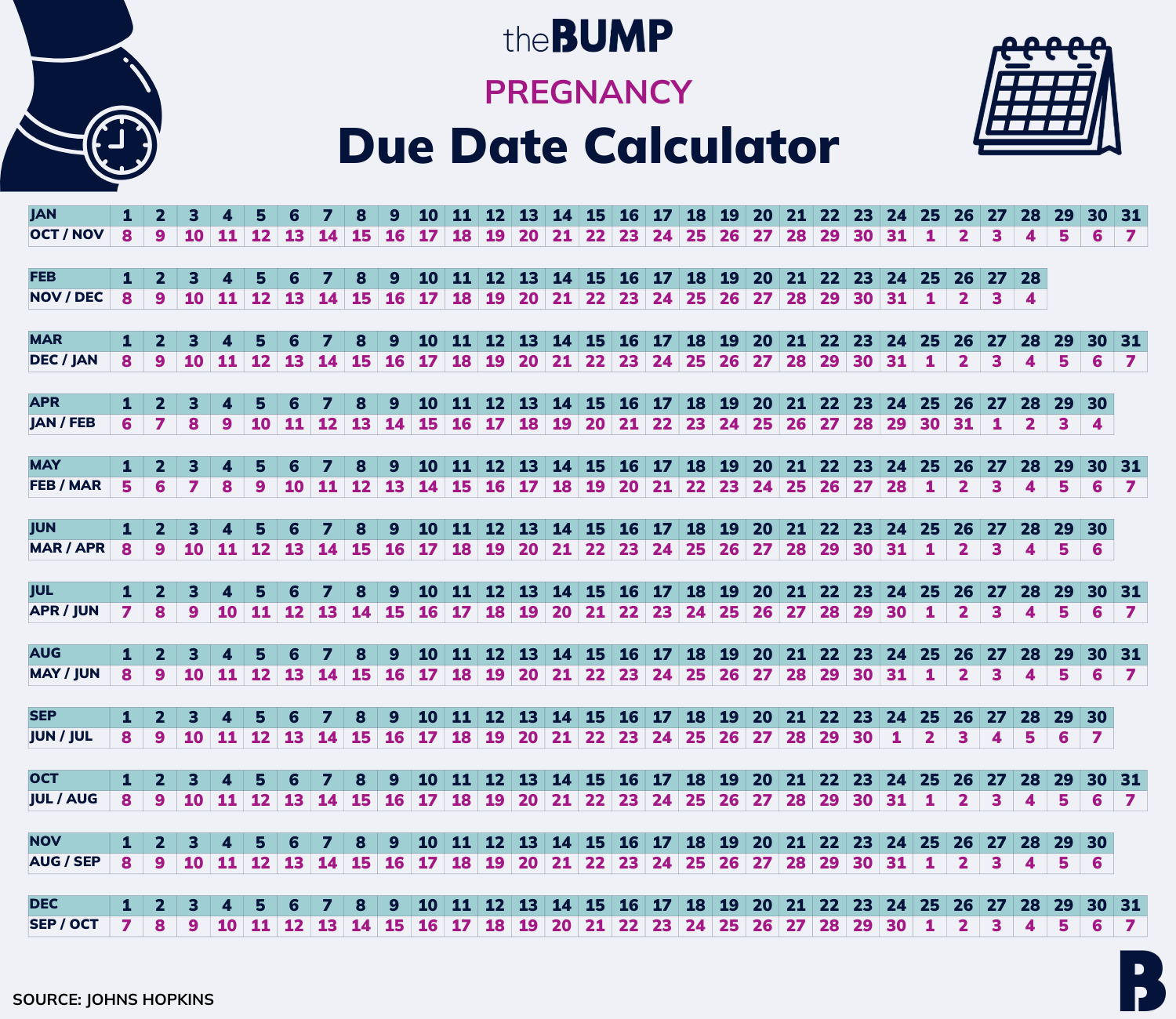
"Your due date is December 14th," the doctor said, typing into her computer without looking up. I stared at her. December 14th? That would mean I was 8 weeks pregnant. But I knew exactly when I had conceived. It was a Tuesday. October 3rd. I had been tracking my ovulation for six months, and I knew my fertile window was narrow and precise. If I was 8 weeks pregnant, I had conceived on October 17th. But I hadn't even seen my husband on October 17th. He was in Chicago for work. The math didn't work. The doctor's "standard" calculation was wrong by two weeks.
I'm Megan Foster. Yes, the same fertility researcher from ovulationtracktool.org, but this is a different chapter. I run duedatetool.org from Boston, Massachusetts, where the medical care is excellent but the pregnancy dating is often outdated. I built this site because I watched my own due date get miscalculated by a system that assumes every woman's cycle is 28 days long. This story is about the two weeks that mattered.
The standard pregnancy dating method is called Naegele's Rule. It was developed in the early 1800s by a German obstetrician named Franz Naegele. The rule is simple: add one year, subtract three months, and add seven days to the first day of your last menstrual period. For a woman with a 28-day cycle who ovulates on day 14, this works perfectly. But here's the problem: only about 12% of women have a perfectly regular 28-day cycle. The rest of us ovulate anywhere from day 10 to day 21, and our cycles range from 21 to 35 days. Naegele's Rule assumes a uniformity that doesn't exist.
My cycle was 32 days. I ovulated on day 18. That meant the time between my last period and conception was 18 days, not 14. Naegele's Rule assumed 14 days. So my "standard" due date was four days too early. But the bigger issue was the two-week discrepancy in gestational age. At my first ultrasound, the doctor said I was measuring 6 weeks instead of 8. She was concerned. She mentioned "possible miscarriage" and ordered a follow-up. I was terrified for two weeks, convinced something was wrong, when the only thing wrong was the math.
The follow-up ultrasound showed a perfectly normal 8-week fetus. Because I was actually 8 weeks pregnant. The initial measurement was off because the dating was wrong. Those two weeks of terror were completely unnecessary. And they were caused by a doctor using a 200-year-old formula instead of listening to her patient.
The consequences of incorrect dating go beyond anxiety. They affect prenatal screening timing. The nuchal translucency test must be done between 11 and 14 weeks. If your dating is wrong, you might miss the window. They affect induction decisions. Many doctors induce labor at 41 weeks based on the due date. If your due date is two weeks too early, you could be induced at 39 weeks — before your baby is ready. They affect growth monitoring. A fetus measuring "small for gestational age" might just be younger than the doctor thinks.
In 2026, first-trimester ultrasounds have improved dating accuracy, but the initial due date still sets the timeline for the entire pregnancy. And if that initial date is wrong, everything that follows is wrong too. The anxiety. The screenings. The induction conversations. All based on a formula that assumes you ovulate on day 14 of a 28-day cycle.
I eventually convinced my doctor to use my conception date for dating. She was skeptical at first — "patients often misremember" — but I had data. Ovulation test strips. Basal body temperature charts. Cervical mucus logs. I had been tracking for six months, and I knew my body better than Naegele did. She adjusted my due date to December 28th, two weeks later. And everything that followed was normal. No more "small for dates." No more "possible miscarriage." Just a normal pregnancy with a correct timeline.
I built the tools on this site because I needed them. The due date calculator lets you input conception date instead of period date. The ovulation-based dating tool adjusts for your actual cycle length. The gestational age corrector fixes miscalculated timelines. These tools don't replace medical care. But they give you the knowledge to advocate for yourself when the standard formula doesn't fit your body.
If you're pregnant and your doctor gives you a due date based on your last period, ask about your cycle length. Ask about ovulation timing. Ask if an early ultrasound would confirm the dating. And if you know when you conceived, say so. Your knowledge of your own body is data, not anecdote. And it might save you from two weeks of unnecessary terror.
How pregnant are you, really — and does your doctor know?