
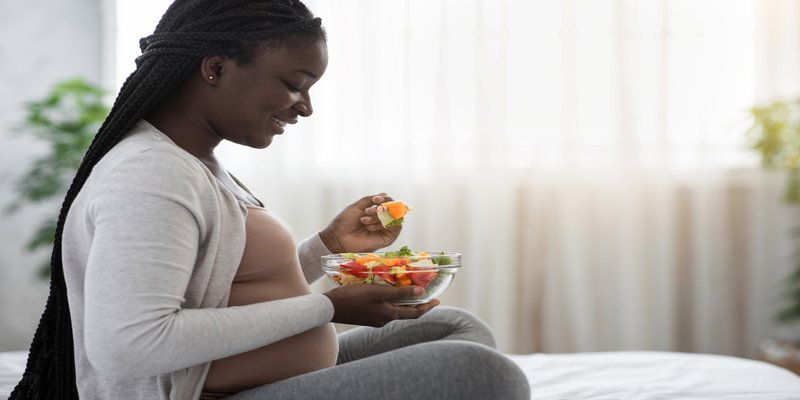
At my six-week postpartum checkup, my midwife asked, "How's the weight loss coming?" I wanted to scream. I had a newborn. I was sleeping in 90-minute chunks. My body had just grown and delivered a human. And she wanted to know about weight loss?
Postpartum nutrition is about healing, not shrinking. The "bounce back" culture is toxic. Your body needs fuel to repair tissues, produce milk, and keep you sane. Here's what I actually ate — and what I recommend.
Hydration first. Breastfeeding burns about 500-700 calories a day, but more importantly, it requires massive water intake. I aimed for 3-4 liters per day. I kept a water bottle everywhere — next to the nursing chair, in the car, by my bed. When I got dehydrated, my milk supply dipped and my mood crashed. Drink before you're thirsty.
Protein at every meal. Your body needs amino acids to repair muscles (especially if you had a C-section or tear), support milk production, and maintain energy. I aimed for 20-30g of protein per meal. Easy sources: eggs (quick), Greek yogurt (no cooking), cottage cheese, canned tuna (limit to 2-3x/week), rotisserie chicken (buy pre-cooked), protein shakes (when I couldn't manage real food).
Fiber and magnesium. Postpartum constipation is real and miserable. Add to that the fear of pushing with stitches or a C-section incision. I ate prunes, oatmeal, beans, leafy greens, and took a magnesium supplement (glycinate, not citrate — citrate can cause diarrhea). Stool softeners are also fine. Don't suffer.
Iron-rich foods. Blood loss during delivery can tank your ferritin. Symptoms: fatigue, pale skin, shortness of breath, hair loss. I had my levels checked at 6 weeks. My ferritin was 18 (low). I started iron supplements and ate more red meat, spinach, and lentils. Within a month, my energy improved.
Simple carbs are not the enemy. When you're exhausted and need quick energy, a piece of toast, a banana, or a handful of crackers is fine. Don't let "clean eating" dogma make you feel guilty for surviving. The best food is the food you'll actually eat.
One of my patients, "Elena," was so focused on losing weight that she cut her calories to 1,200 a day while exclusively breastfeeding. Her milk supply tanked. Her baby cried constantly. She felt like a failure. I had her increase to 2,000-2,200 calories of nutrient-dense food. Within a week, her supply rebounded. Within a month, she had more energy. She lost weight slowly but sustainably — without trying. "I was starving myself," she said. "No wonder I felt terrible."
Meal prep for the freezer (do this before birth). In the third trimester, spend a Sunday making freezer meals: soups, stews, chili, lasagna, burritos. Portion them into single servings. Label everything. Future you will thank you. I made 20 freezer meals before my second baby. They saved us.
Accept help. When someone says, "Let me bring you dinner," say YES. Give them a specific request: "Lasagna would be great" or "Anything without dairy." People want to help. Let them.
Lower your standards. Postpartum is not the time for gourmet cooking or organic everything. Frozen vegetables are fine. Rotisserie chicken is fine. Canned beans are fine. Survival is the goal.
One thing I wish I'd known: postpartum weight loss happens naturally for some people, not for others. Breastfeeding helps some women lose weight; others hold onto weight until they wean. Both are normal. Your body is prioritizing milk production over your waistline. That's evolution, not failure.
I lost most of my baby weight by 9 months postpartum. Some of my friends lost it by 6 weeks. Others took 18 months. We all have healthy kids. The timeline doesn't matter. What matters is that you're eating enough to care for yourself and your baby.
If you're in the thick of it right now, put away the scale. Hide it in the closet. Don't count calories. Eat when you're hungry. Rest when you can. Your body knows how to heal. Let it.
This article reflects personal experience and clinical observations. Always consult your provider before making significant dietary changes postpartum.
— Emily Carter, IBCLC