

I’ve had two vaginal births, so I can’t speak from personal C-section experience. But I’ve supported dozens of C-section patients, and their stories have one thing in common: nobody prepared them for how hard recovery would be.
A C-section is major abdominal surgery. They cut through seven layers of tissue: skin, fat, fascia, muscle (separated, not cut), peritoneum, uterus, and membranes. Recovery takes 6-8 weeks minimum — and longer to feel fully normal.
Here’s what nobody tells you.
The bleeding is still there. You will have lochia — postpartum bleeding — just as much as a vaginal birth. The uterus still has to expel tissue. You’ll need pads, not tampons. The bleeding will be heavy at first, then lighter, over 4-6 weeks.
The incision pain is no joke. Getting in and out of bed is hard. Laughing hurts. Coughing is terrifying. Sneezing without warning — that’s a new level of fear. Hold a pillow firmly against your incision when you cough, laugh, or sneeze. It helps.
The gas pain is shocking. During a C-section, air can enter the abdominal cavity. It rises to your shoulders and chest. That referred pain is intense — sometimes worse than the incision. Walking helps. Heat packs help. Time helps.
Constipation is almost guaranteed. Between anesthesia, opioid pain meds, and abdominal surgery, your bowels will slow down. Stool softeners (not laxatives) are essential. Drink water. Eat prunes. Don’t strain. If you haven’t pooped by day 3 or 4, call your provider.
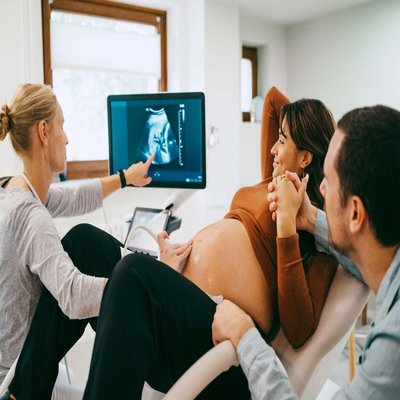
Mobility is limited. You won’t be able to lift anything heavier than your baby for 6-8 weeks. That means no car seat with baby inside, no laundry basket, no toddler. Ask for help. You also can’t drive for at least 2 weeks (or while on narcotics). Check with your provider; some say 4 weeks.
Infection is a risk. Watch for signs: fever >100.4°F, redness or oozing at the incision, increased pain, foul-smelling discharge. If you see any of these, call your provider immediately.
Scar healing takes months. The incision may look healed at 6 weeks, but the underlying tissue takes 6-12 months to fully remodel. Scar tissue can adhere to underlying layers, causing pain or pulling. A pelvic floor physical therapist can perform scar mobilization to improve mobility and reduce pain.
One of my patients, “Nina,” had an unplanned C-section after a long labor. She was shocked at how limited she was. She couldn’t lift her toddler. She couldn’t drive for 2 weeks. She needed her husband to bring the baby to her for feeding. She felt like a failure. She wasn’t. She was healing.
Another patient, “Elena,” had a scheduled C-section for breech. She recovered faster because she hadn’t labored first. She said, “It still hurt, but I expected it. I was grateful I hadn’t pushed for hours before.”
Here’s my advice for C-section recovery:
- Stay ahead of pain. Take meds on schedule, not when you’re already in agony. You can’t catch up.
- Walk as soon as you can. Gentle walking — just to the bathroom and back — prevents blood clots and constipation. Increase slowly.
- Use a small pillow or rolled towel against the incision for support. Press it when you cough, laugh, or sneeze. It’s called a “splint.” It helps.
- Ask for help. You should not be lifting anything heavier than your baby. No laundry. No groceries. No vacuuming. Accept help.
- Monitor for signs of infection. Fever, redness, oozing, increased pain. Call your provider if you’re worried.
- Be patient. Scar tissue takes months to remodel. You might have numbness or tingling around the incision for a year. That’s normal.
- Consider pelvic floor PT. Even with a C-section, the pelvic floor was stressed by pregnancy. PT can help with scar mobility, core strength, and any lingering pain.
The first two weeks are the hardest. By week 4, you’ll feel human again. By week 6, you might be cleared for normal activity — but listen to your body. If it hurts, don’t do it.
You had major surgery. You’re caring for a newborn. You’re a superhero. Give yourself grace.
This article reflects clinical observations and patient stories. Always follow your surgeon’s discharge instructions.
— Emily