Those 14 days between embryo transfer and beta hCG test are the longest two weeks of your life. Here's what actually helped me survive them — and what definitely didn't.
What Helped
- Keeping busy. I scheduled work projects, lunch dates, and even a weekend trip. Distraction is your friend.
- Staying off Google. "Early pregnancy symptoms" searches will drive you insane. Every twinge becomes a sign. Every lack of symptom becomes doom.
- Having a support person. My partner took over symptom-spotting duty. When I felt something, I'd tell him instead of Googling. He'd say "probably normal" and we'd move on.
- The mantra: "I am pregnant until proven otherwise." Sounds cheesy, but it helped me stay positive without being delusional.
What Didn't Help
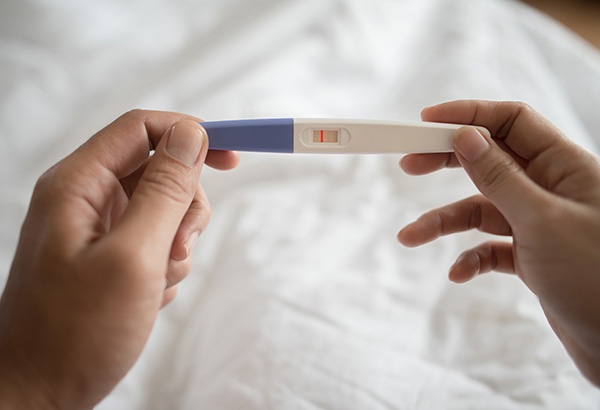
- Home pregnancy tests. I swore I wouldn't. I did. At 7 days post-transfer, it was negative. I cried for an hour. The beta test 3 days later? Positive. The home test was just too early.
- Symptom spotting. Cramping? Could be implantation. Could be period. Sore breasts? Could be pregnancy. Could be progesterone supplements. You can't know.
- Telling people. I told my mom. Then I had to untell her when the first beta was low. Awful.
The Bottom Line
The two-week wait is a test of mental endurance, not medical knowledge. There's nothing you can do to change the outcome. So find ways to pass the time without obsessing.
— Sophie Miller, CNM
Sophie Miller, CNM is a Certified Nurse-Midwife in Portland, Oregon. This article reflects personal experience and clinical observations. For medical advice, consult your healthcare provider.
