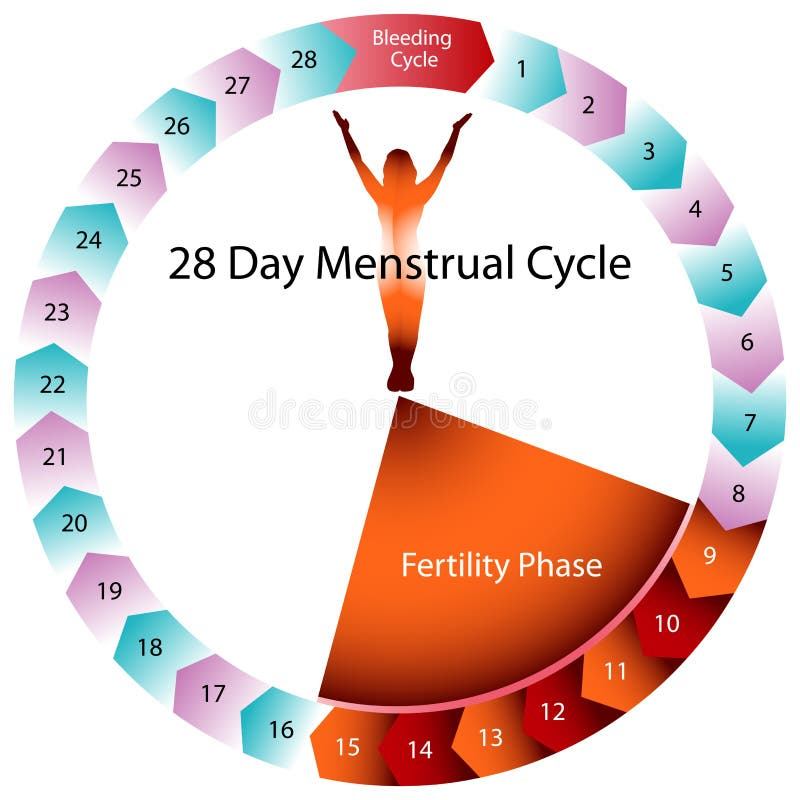
If your cycle is 35 days instead of 28, your "standard" due date is probably wrong by a full week. Here's why the 28-day assumption fails so many women — and how to get it right.
The 28-Day Myth
Naegele's Rule assumes every woman has a 28-day cycle with ovulation on day 14. But that's not reality. Studies show:
- Only 13% of women have a 28-day cycle
- Most cycles range from 25-35 days
- Ovulation timing varies widely — day 10 to day 20 is normal
How to Adjust
If you know your cycle length, you can adjust your due date:
- 25-day cycle: Subtract 3 days from standard EDD
- 30-day cycle: Add 2 days to standard EDD
- 32-day cycle: Add 4 days to standard EDD
- 35-day cycle: Add 7 days to standard EDD
The formula is simple: Adjusted EDD = LMP + 280 days + (cycle length - 28)
Why This Matters
A wrong due date can lead to unnecessary interventions. An "overdue" baby at 41 weeks might actually be 40 weeks. An "early" induction at 39 weeks might actually be 38 weeks. Both scenarios increase risks without benefit.
Always tell your provider your actual cycle length. And if you tracked ovulation (BBT, OPK, or cervical mucus), mention that too. The more data, the better the estimate.
— Sophie Miller, CNM
Sophie Miller, CNM is a Certified Nurse-Midwife in Portland, Oregon. This article reflects personal experience and clinical observations. For medical advice, consult your healthcare provider.
