Week 4: The positive test. Week 6: First ultrasound. Week 8: Heartbeat. Week 12: The end of the riskiest period. Here's what actually happens during the first trimester, week by week.
Week 4-5: The Wait
You've missed your period. You've taken the test. Now you wait for the first appointment. Most OBs won't see you until 8 weeks, so these weeks feel like forever. Pro tip: start a prenatal vitamin with folic acid immediately.
Week 6-7: First Ultrasound
This is the "dating scan." They measure the gestational sac and crown-rump length to confirm how far along you are. You might see a flickering heartbeat. You might not — and that's normal at 6 weeks. Don't panic if they schedule a follow-up.
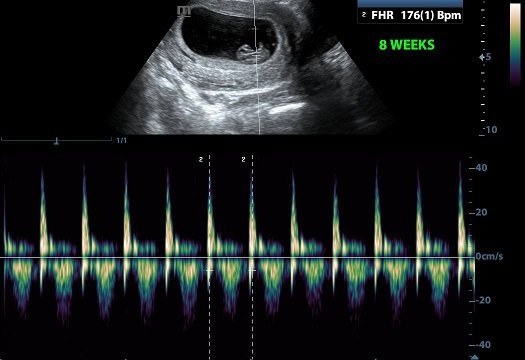
Week 8-9: Heartbeat Confirmed
By week 8, the heartbeat should be visible and audible. This is when miscarriage risk drops significantly — from about 15-20% to under 5%. You'll also start feeling symptoms: nausea, fatigue, breast tenderness.
Week 10-11: Nuchal Translucency Prep
They'll schedule your NT scan for week 12-13. This measures the fluid at the back of the baby's neck to screen for chromosomal abnormalities. It's optional but recommended, especially if you're over 35.
Week 12-13: The End of the First Trimester
Risk of miscarriage drops to under 1%. Many women start feeling better — nausea fades, energy returns. You'll have your NT scan and possibly NIPT (non-invasive prenatal testing) for chromosomal screening.
— Sophie
Sophie is a Certified Nurse-Midwife in Portland, Oregon. This article reflects personal experience and clinical observations. For medical advice, consult your healthcare provider.
