
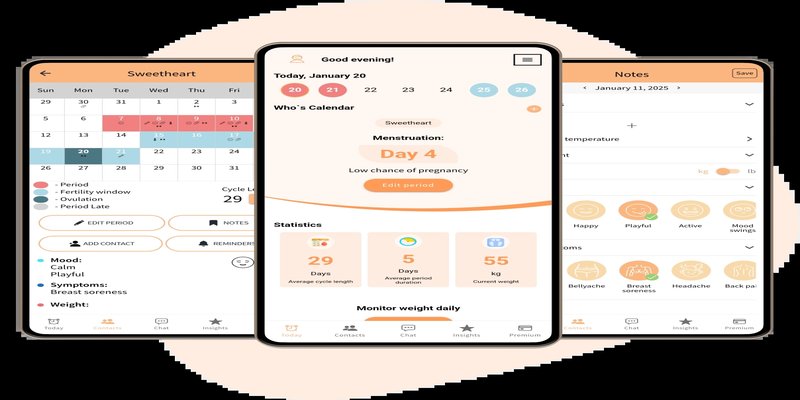
I'll admit it: I've used fertility apps. Four of them, at different times. They all promised to predict ovulation, track cycles, and optimize conception timing. They all gave me different fertile windows.
One app said I ovulated on day 14. Another said day 16. A third said day 12. A fourth (the most expensive) said "between day 13 and day 17."
I was more confused after using the apps than before.
Here's the problem: most fertility apps use a simple calendar algorithm — average cycle length, last menstrual period, and that's it. They don't know your actual ovulation day. They don't know your cervical mucus. They don't know your BBT. They guess. And for people with irregular cycles, those guesses are often wrong.
A 2024 study in the journal Obstetrics & Gynecology tested 6 popular fertility apps against actual hormone monitoring (LH tests and progesterone). Only 2 of the 6 accurately predicted ovulation within 2 days. The others were off by 5 days or more. That's not a small error — that's missing your entire fertile window.
So what's a person to do? Here's my honest take.
The good apps: Some apps incorporate real data — BBT, cervical mucus, OPKs, or wearable sensors (like Oura ring or Ava bracelet). These can be useful if you're consistent. The best apps don't guess; they analyze your actual data. But even those have limitations. BBT confirms ovulation after the fact, not before. So if you're using BBT alone to time intercourse, you're late.
The bad apps: Any app that asks only for your period dates and cycle length — and nothing else — is guessing. Period. Don't rely on it for timing. I had a patient, "Diana," who used a popular free app for six months. It consistently told her she was ovulating on day 14. She timed intercourse accordingly. She didn't conceive. Then she started using OPKs and discovered she actually ovulated on day 19. She'd been missing her window by 5 days every cycle. She conceived the second month after that discovery.
The ugly: Some apps sell your data. Yes, really. Period tracking apps have been known to share health data with third parties — even after Roe v. Wade was overturned. If you're concerned about privacy (and you should be), read the privacy policy. Look for apps that don't sell data and that store information locally on your device, not in the cloud.
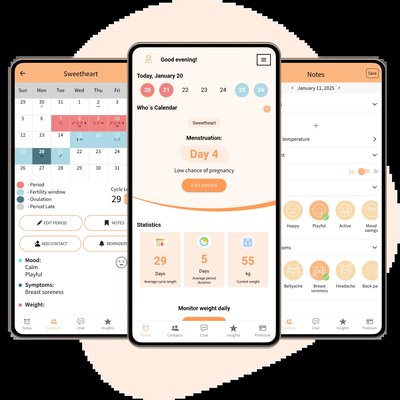
Here's my bottom line on fertility apps: they can be a tool, but they're not a solution. If you have regular cycles, you probably don't need an app. Just have sex every 2-3 days throughout your cycle. That covers the fertile window without the mental load. If you have irregular cycles or have been trying for 6-12 months, apps can provide useful data — but only if you're inputting real information (BBT, OPKs, cervical mucus). Don't trust an app that only asks for your period dates.
And if you find yourself obsessing over the app — checking it multiple times a day, feeling anxious when the predictions don't match your experience, blaming yourself for "bad" charts — take a break. Delete the app for a month. Have sex without tracking. See how you feel. You might conceive faster without the stress.
One of my patients, "Elena," was a super-user. She had three fertility apps. She synced her BBT, her OPKs, her cervical mucus, her symptoms. She checked her charts before she checked in with her husband. She was anxious all the time. I suggested she stop tracking for two cycles. She was terrified — what if she missed her window? But she tried it. She conceived on the second cycle. She told me, "I didn't realize how much the apps were controlling my life. Without them, I felt free."
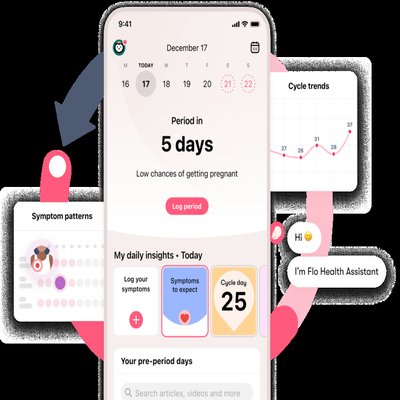
If you love your app and it gives you peace of mind, keep using it. But if it's causing stress, confusion, or anxiety, stop. You don't need a phone to tell you when to have sex. Your body knows — or you can learn the signs (cervical mucus, libido changes, ovulation pain). Trust yourself more than the algorithm.
This article reflects research and clinical experience. Always consult your provider if you've been trying to conceive for 12 months (or 6 months if over 35).
— Emily Carter, RDN